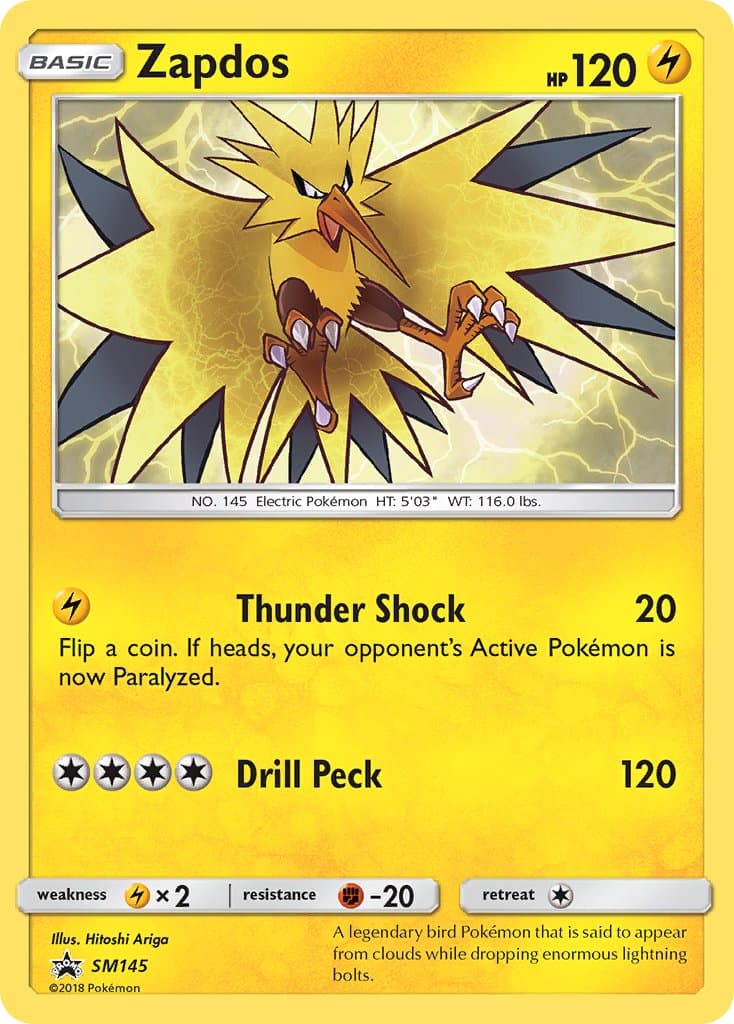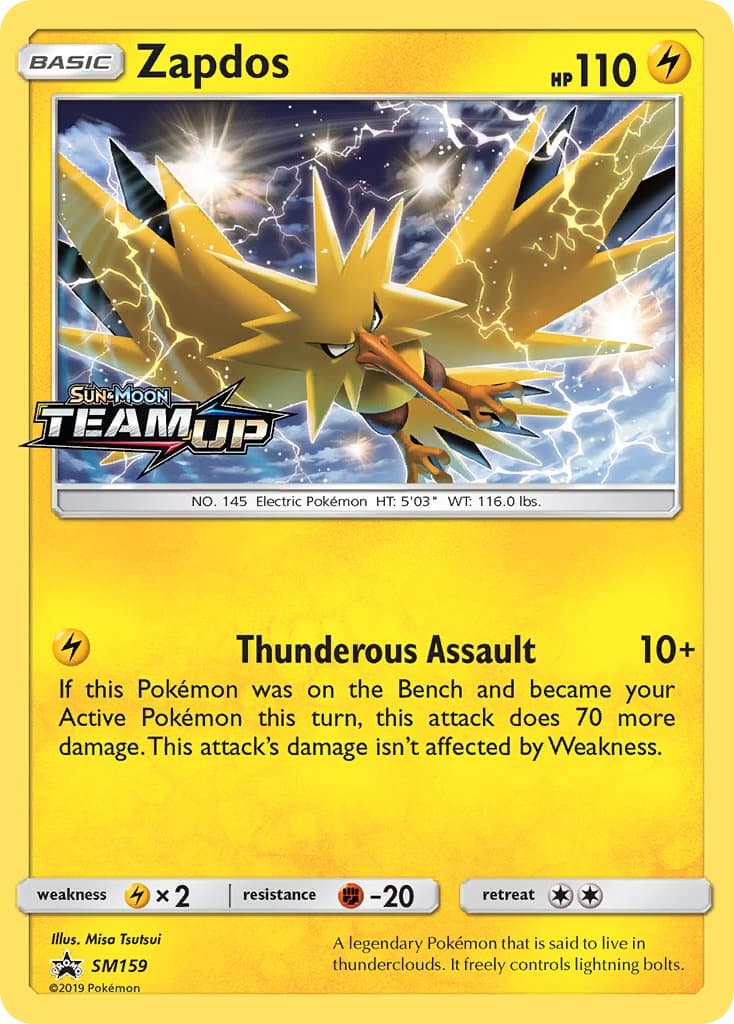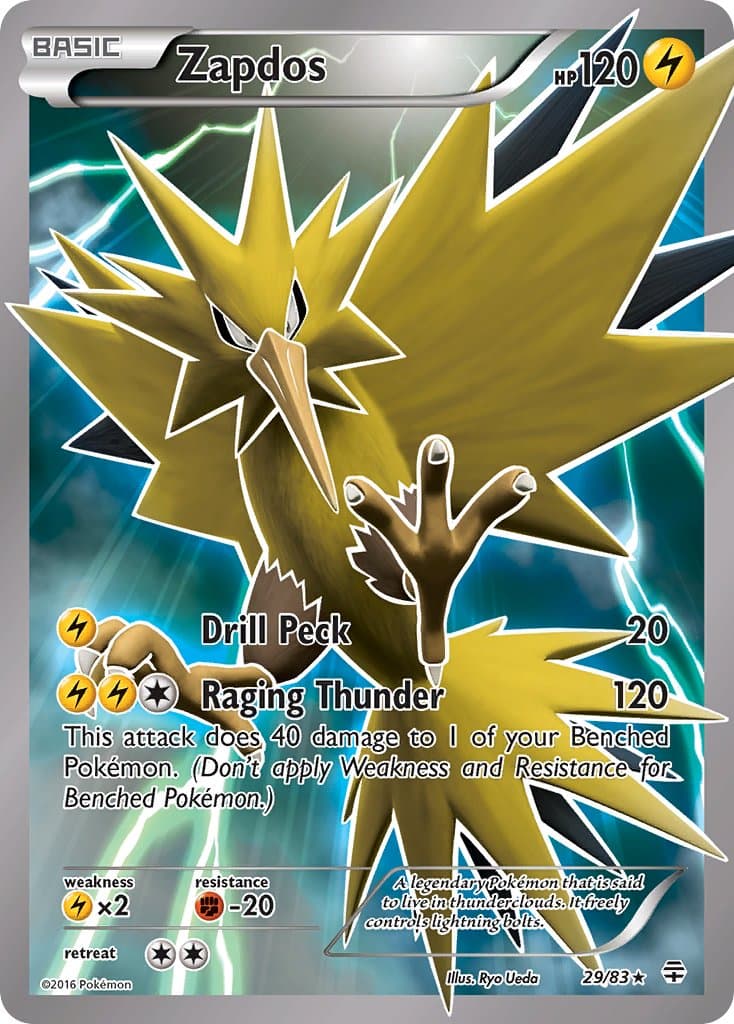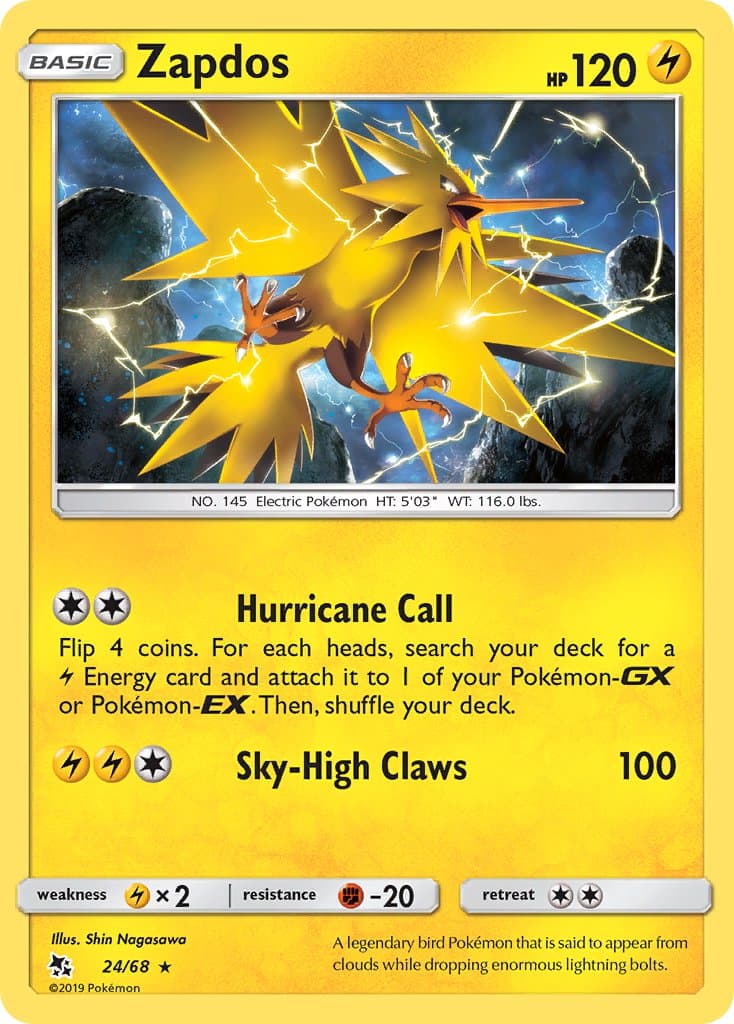
Fossil·#15·1999
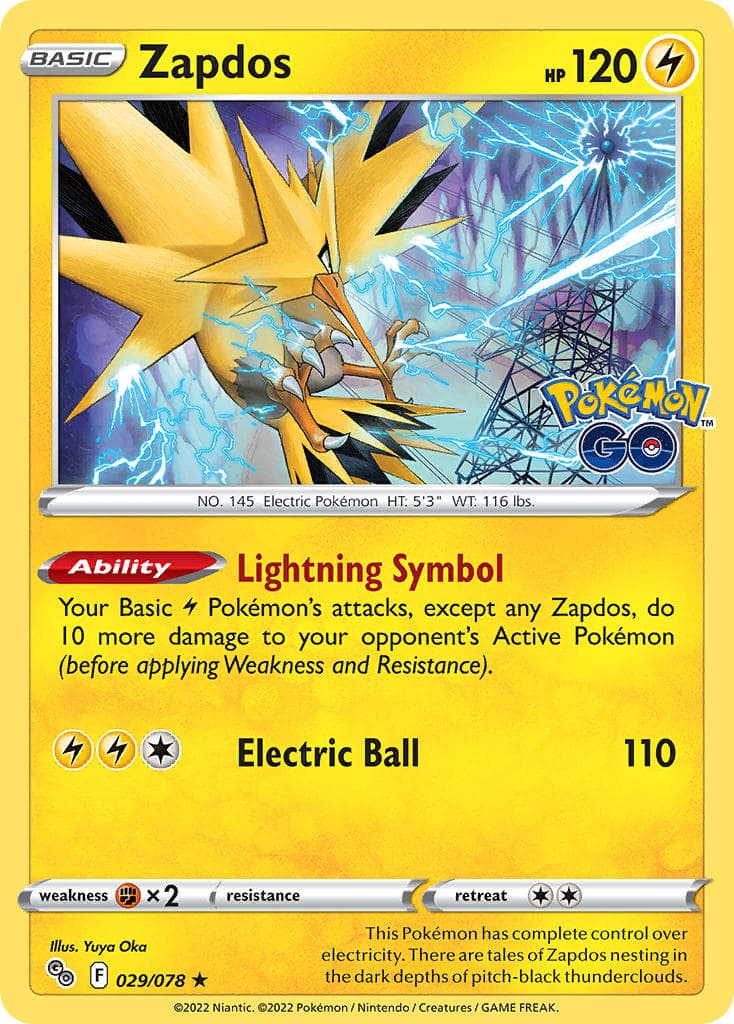
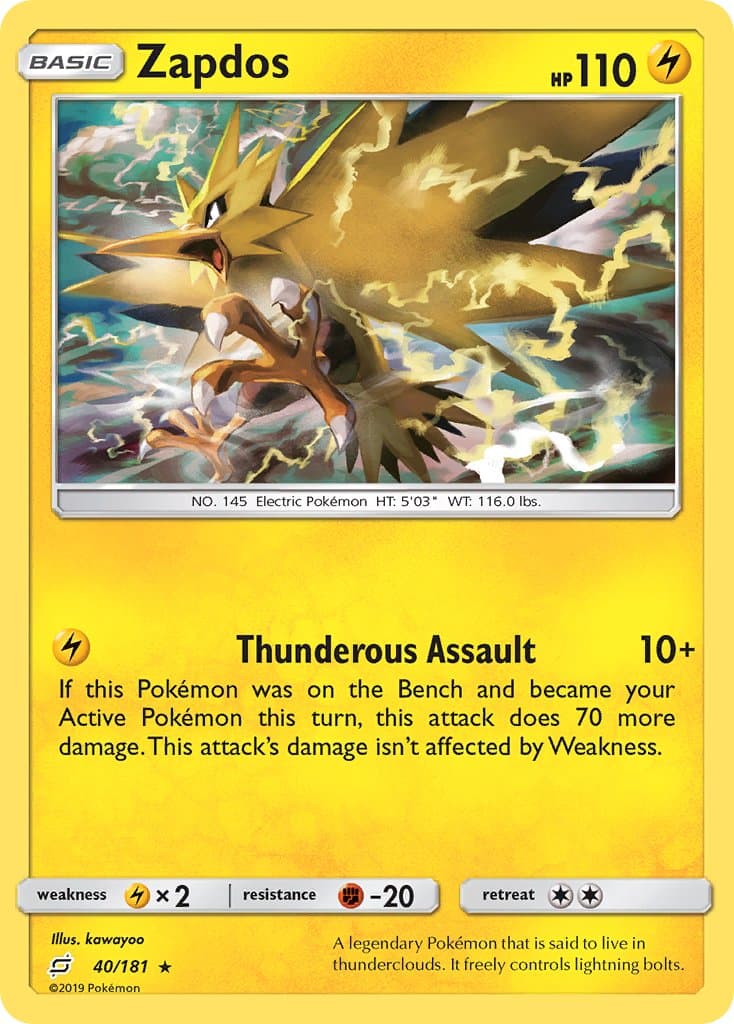
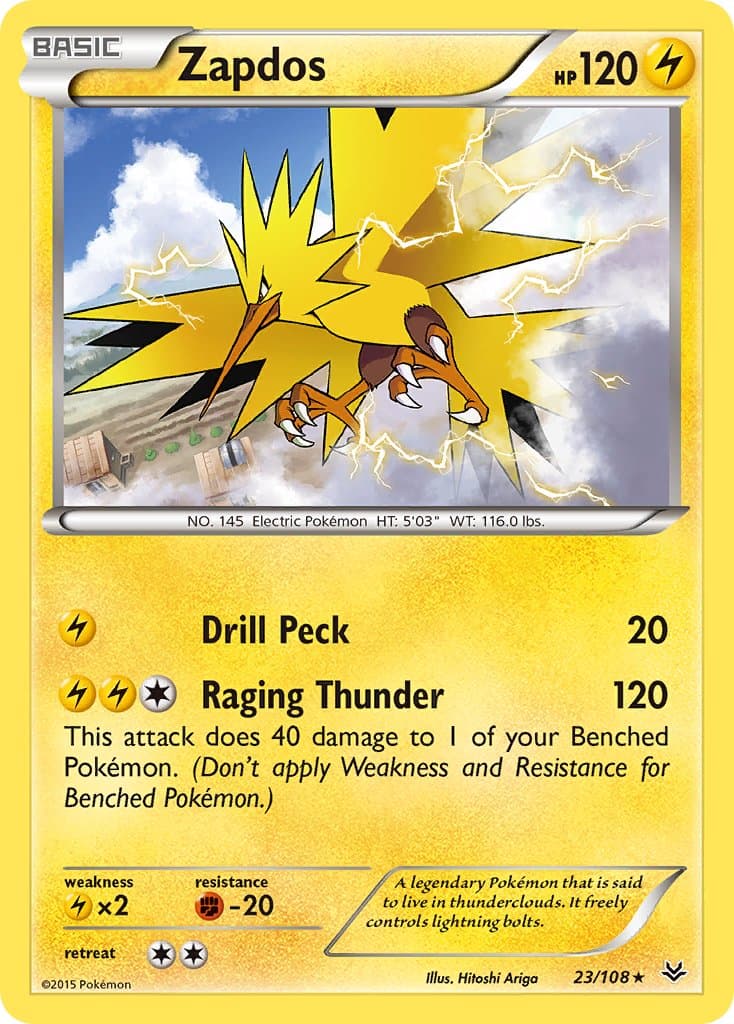
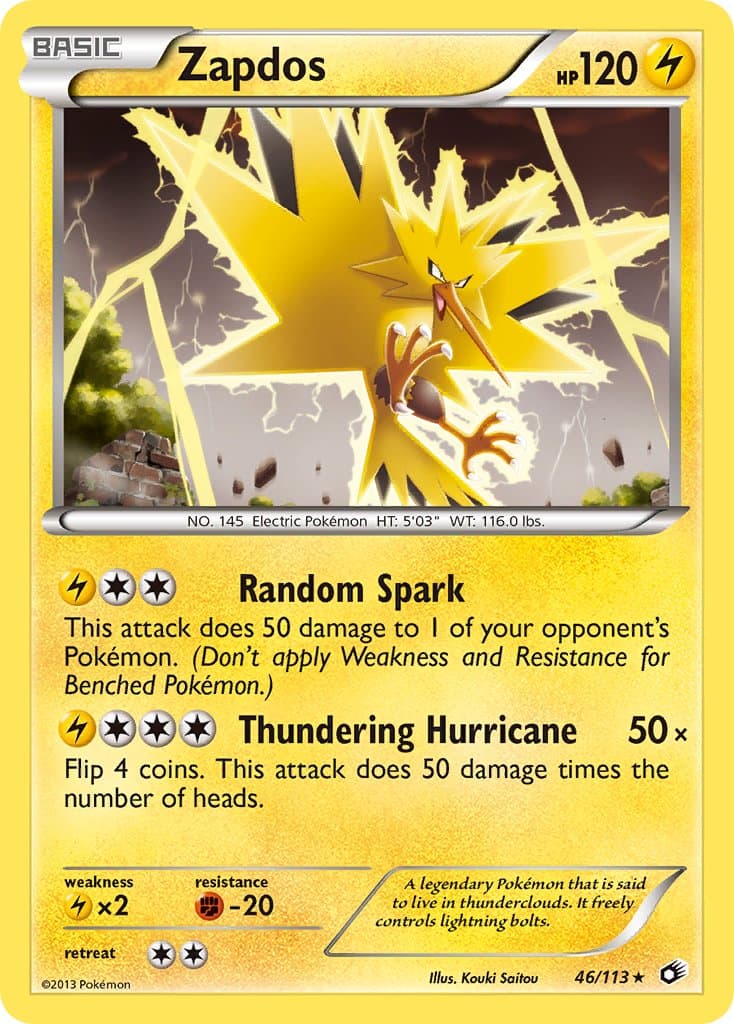
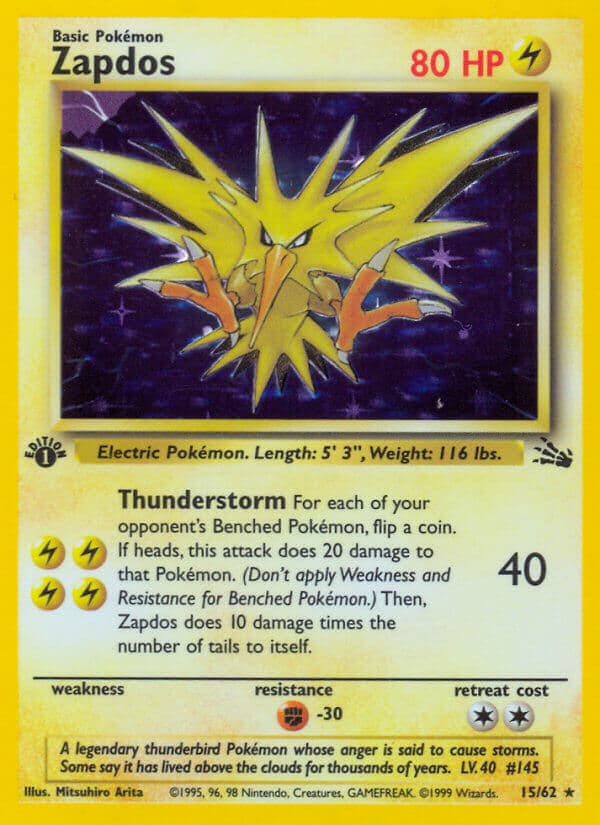
Zapdos, a legendary Electric/Flying-type Pokémon from Generation I, is an iconic thunderbird whose powerful presence has captivated fans for decades. This specific card, a 1st Edition holographic rare from the 1999 Fossil set, stands out as a highly desirable vintage collectible. Here, you will discover its detailed Pokédex lore, the mechanics of its Thunderstorm attack, its weakness, and insights into its historical edition. This resource is perfect for collectors seeking to understand its appeal, investors tracking its market, and fans curious about its unique attributes.
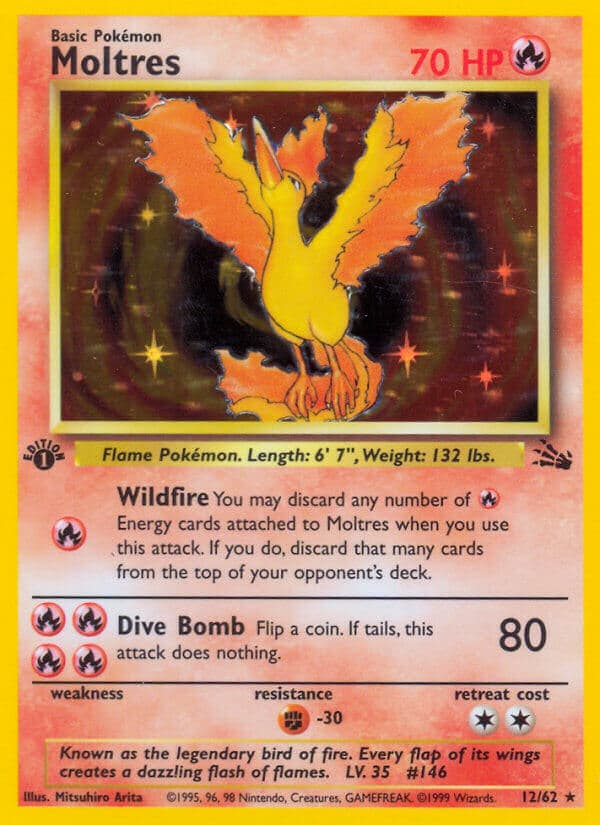
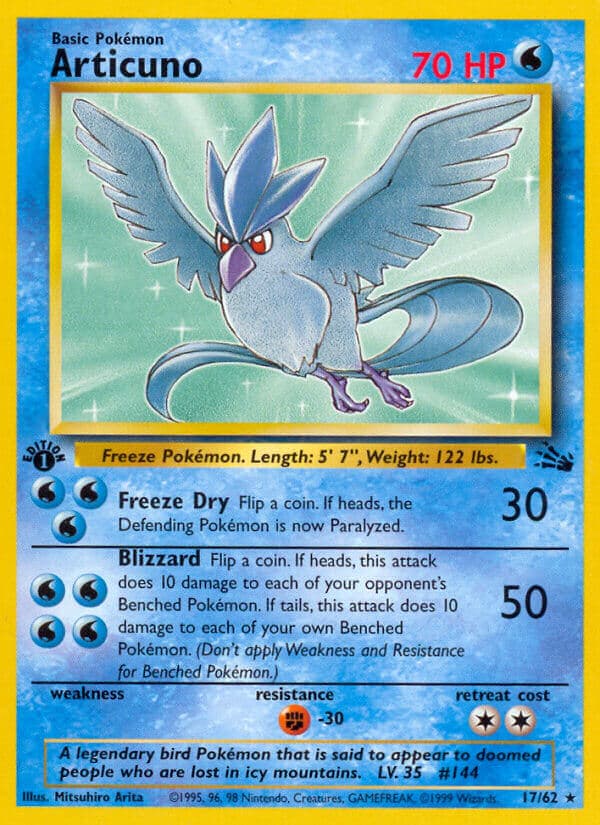
Read more ↓Zapdos is a legendary Electric/Flying-type Pokémon, one of the three legendary birds of the Kanto region, alongside Articuno and Moltres. Introduced in Generation I, Zapdos is often depicted as a majestic, thunderous bird whose wings beat to create crackling lightning storms. Its natural habitat is said to be within thunderclouds, where it draws energy from lightning strikes. In the games, Zapdos is typically found at the Kanto Power Plant, an abandoned facility that attracts electric-type Pokémon. Its diet is presumed to consist of electrical energy, and its behavior is often aggressive, especially when its territory is threatened. Zapdos plays a significant role in the Pokémon anime, particularly in the movie "The Power of One," where it is one of the three legendary birds whose balance is crucial to the world's climate. Its Electric typing gives it an advantage against Water and Flying types, while its Flying typing makes it immune to Ground-type attacks and resistant to Fighting and Bug types. Culturally, Zapdos embodies raw power and the untamed force of nature, making it a fan favorite and a symbol of strength within the Pokémon universe. Its imposing design and powerful abilities have cemented its status as one of the most iconic legendary Pokémon.
Last updated: April 10, 2026